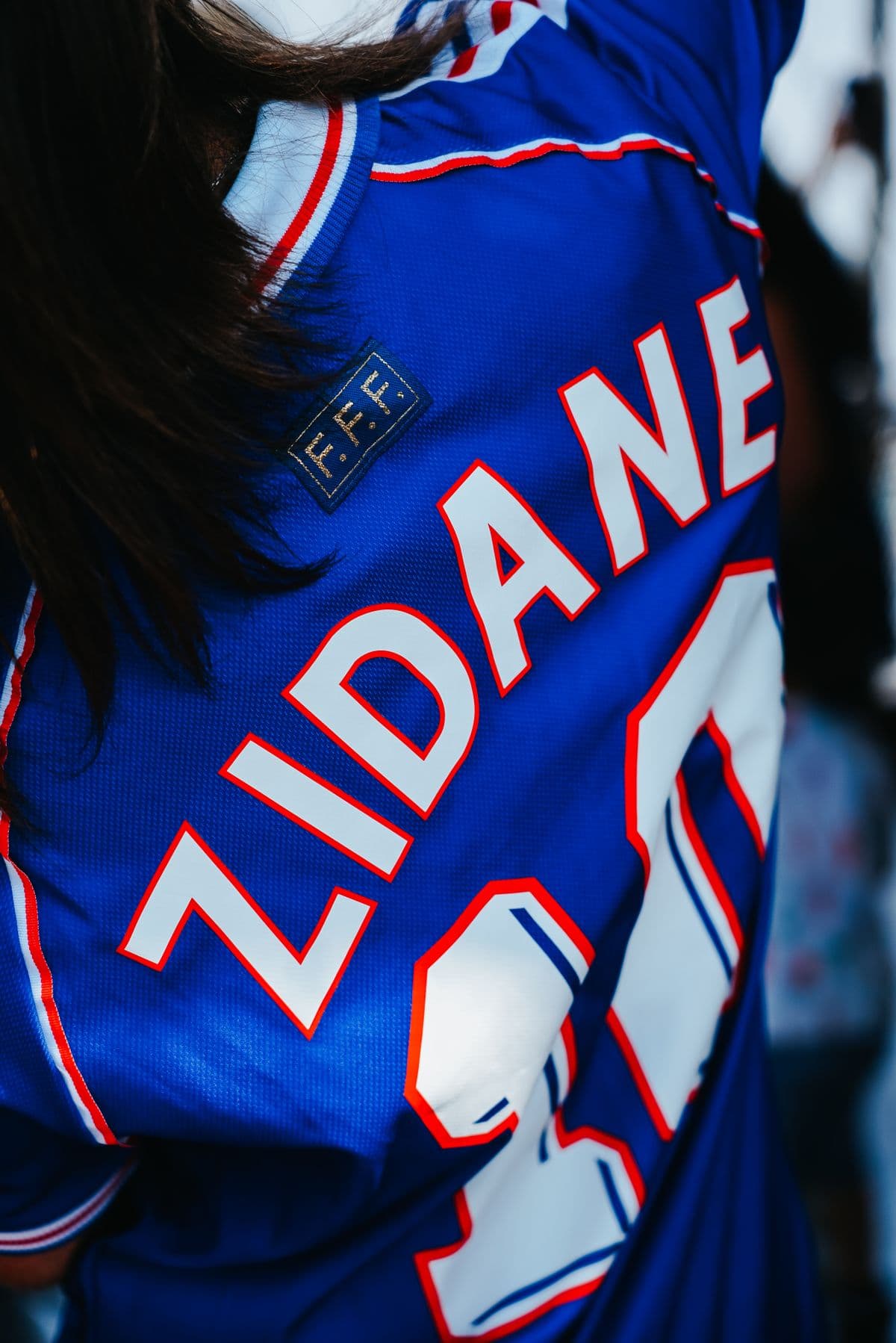
How to Customise Your Football Jersey: Names, Numbers and Patches Explained
Learn how to customise your football jersey the right way — names, numbers, fonts and official patches explained for World Cup 2026 and club kits.
June 2, 2026 · 7 min read · sidejersey
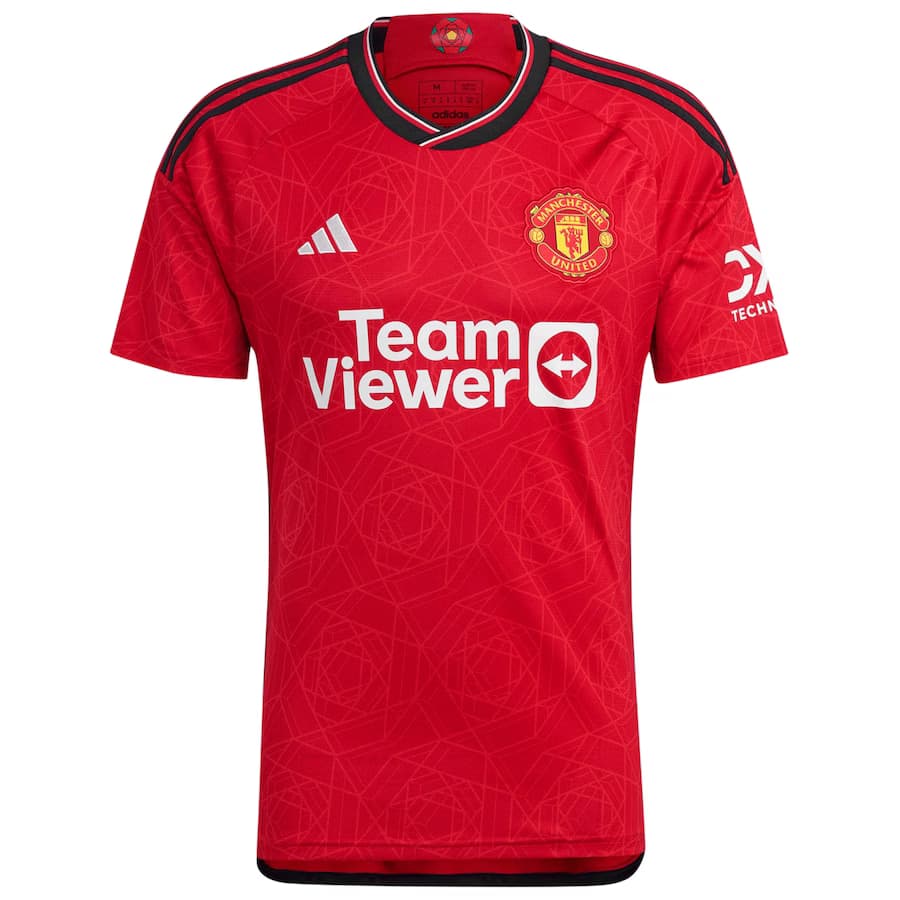
Few things make a kit feel truly yours like adding your favourite player's name across the back, or stitching on the right tournament patches before kick-off. If you want to customise your football jersey properly, there are a few details — fonts, layering, patches, printing method — that separate a sharp-looking shirt from a tatty one, and this guide walks through all of them.
Why Customise Your Football Jersey in the First Place?
A blank shirt is fine, but it's a bit like turning up to a gig wearing a band T-shirt with no tour dates on the back. Customisation is what turns a generic kit into your kit. It might be a tribute to a hero — Messi 10 on an Argentina jersey, Bellingham 10 on an England shirt, Mbappé 10 on a France shirt — or it might be your own name and lucky number for five-a-side on a Tuesday.
Either way, the goal is the same: a clean, accurate, durable finish that looks like it belongs on the pitch. The good news is that almost every shirt in the World Cup 2026 jersey range can be customised at checkout, so you can build the exact shirt you want before it leaves the warehouse.
Choosing the Right Name
Sounds obvious, but spelling trips a lot of people up — especially on national team shirts where accents matter. It's MBAPPÉ, not MBAPPE; MÜLLER, not MULLER; DE BRUYNE with a space. National federations often use a player's surname only (BELLINGHAM, RICE, KANE on a Three Lions shirt), while some South American sides use a single nickname — that's why Brazil shirts read VINI JR or RODRYGO rather than full surnames.
If you're customising a club shirt instead, double-check the federation's convention. Premier League shirts usually use surname only (HAALAND, SAKA), while La Liga sides sometimes use a shortened name — VINI JR. at Real Madrid, LEWANDOWSKI at Barça. When in doubt, copy whatever appears on the official squad list for that season.
Picking Your Number (and What Each Position Wears)
Numbers used to be strictly positional: 1 for the keeper, 2–5 for defenders, 6–8 in midfield, 9–11 up top. That tradition still mostly holds at international level, which is why the iconic numbers — the 10, the 9, the 7 — carry so much weight. Pick a 10 and you're nodding to Pelé, Maradona, Zidane and Messi. Pick a 7 and you're standing in the shadow of Ronaldo, Best, Beckham and Cantona.
Modern squad numbers can run anywhere from 1 to 99, so you've got freedom. Common picks beyond player tributes: birth year (e.g. 94 or 02), childhood number, or jersey number from your Sunday-league side. If you're buying a kid's shirt, pick something they can grow into emotionally — the 10 always ages well.
Official Player Names vs Personal Names
You've got three broad options when you customise your football jersey: official player name and number; your own name and a number of your choice; or just a number with no name. Personal names usually come in the same official tournament font, so it'll still look like a proper kit — not a homemade screen-print. If you want a true match-spec feel, the rule of thumb is to stay within the print sizes the league actually uses (around 25cm tall for back names on most modern shirts).
Font Styles — Why Each Tournament Looks Different
Every major competition has its own official typography, and that's a big part of why kits look right (or wrong). FIFA approves a unique font for each World Cup, and you can see the differences clearly when you line up old shirts from successive tournaments.
World Cup vs Domestic Fonts
A national team shirt worn in World Cup 2026 carries the official World Cup font; the same shirt worn in a friendly or a Nations League match uses each federation's own font. That's why a customised Germany shirt for the World Cup looks different from one printed for a qualifier — the typography changes even though the kit is identical. Club kits have it simpler: one league font, applied all season.
Patches Explained — Tournament Badges, Champions Patches and Sleeve Sponsors
This is where a lot of buyers get confused. Patches are the little badges on the sleeves or chest that mark a competition, a title, or a sponsor. They're season- and tournament-specific, and the wrong combination can date a shirt by years.
World Cup 2026 Patches
Shirts worn at the World Cup carry the official tournament patch on the right sleeve, sometimes alongside a "Match Detail" patch on the left for the specific fixture. If you're collecting, only buy the patch if your shirt is the matching tournament edition — sticking a 2026 patch on a 2022-spec shirt is a bit like wearing a 2024/25 Premier League patch on a 2019/20 Liverpool top.
UEFA Champions League and Europa League Patches
For European nights, clubs add the gold star and "Champion of Europe" or the current UCL patch — only the actual winner of the previous final earns the "Champions" patch. Europa League winners get the corresponding badge. If you're customising a top-tier club shirt like Real Madrid or Manchester City, this is the detail that completes the kit.
Premier League and La Liga Sleeve Patches
Domestic league patches are simpler: every team in that league wears the same sleeve badge for that season. They change colour and design every few years, so vintage spotters can date a classic jersey just by squinting at the sleeve.
Heat Press vs Stitched: Which Method Is Better?
Most modern football names and numbers are heat-pressed using flock or PU vinyl. It's lightweight, breathable, and matches the look of pro match shirts almost perfectly. Done well, it lasts the life of the shirt; done badly, the edges peel after a few washes. Stitched lettering is rare these days — you'll mostly see it on retro reissues and some classic jerseys where it's part of the era's authenticity.
For 95% of buyers, heat-press is the right choice: it's what the players wear, it's the cheapest way to keep the shirt feeling proper, and it'll survive a hot wash if you follow the care instructions.
Authentic vs Replica: Does the Customisation Method Differ?
Yes — slightly. Authentic match shirts use thinner, lighter print so the lettering doesn't add weight or restrict movement. Replicas typically use slightly thicker flock for durability against domestic washing machines. Both look almost identical at arm's length, but if you put them side-by-side you can feel the difference. If you've splashed out on a match-spec national team jersey, insist on the lighter authentic-grade print to match.
Common Mistakes to Avoid
A quick checklist before you hit "add to basket":
- Wrong font for the competition (League font on a World Cup shirt is the most common slip)
- Patch mismatched to season (a current Premier League patch on a 2018 shirt screams fake)
- Spelling errors on accented names — always copy-paste from the squad list
- Squad number that conflicts with the badge (don't put 10 on a shirt that already has a printed 10 elsewhere)
- Choosing a player who's just transferred — shirts customised mid-window can feel awkward a week later
How to Order a Customised Jersey from SideJersey
Customisation is built into the product page on every eligible shirt. Pick your size, choose either "Official Player" (we pre-load the current squad) or "Custom Name and Number", select the right competition patch if applicable, and we'll do the heat-press in-house before dispatch. Customised shirts typically ship within 2–3 working days. The full range of club kits and national teams is available to personalise, with Portugal, Spain, England, Argentina and Brazil being our most popular requests in the run-up to the tournament.
If you've got a specific patch combination or font request that isn't listed at checkout, message us before you order — we'll usually sort it. For everything else, our FAQ covers sizing, shipping, returns, and what to do if a customisation arrives with a typo (rare, but we'll always make it right). Want to know more about how the shop runs? Have a look at our story.
Ready to build yours? Start with the World Cup 2026 collection, pick a team, and customise away. Whether it's MESSI 10, your own surname, or a lucky number for the Sunday-league season, doing it properly is the difference between a shirt you wear once and a shirt you'll still pull out of the wardrobe in ten years' time.
Explore the latest releases at SideJersey.