Why the Brazil Jersey Is the Most Iconic Kit in Football
Why the Brazil jersey is the most iconic kit in football: from the 1950 heartbreak that created the yellow shirt to Pele, 1970 and five World Cup wins.
June 10, 2026 · 5 min read · sidejersey
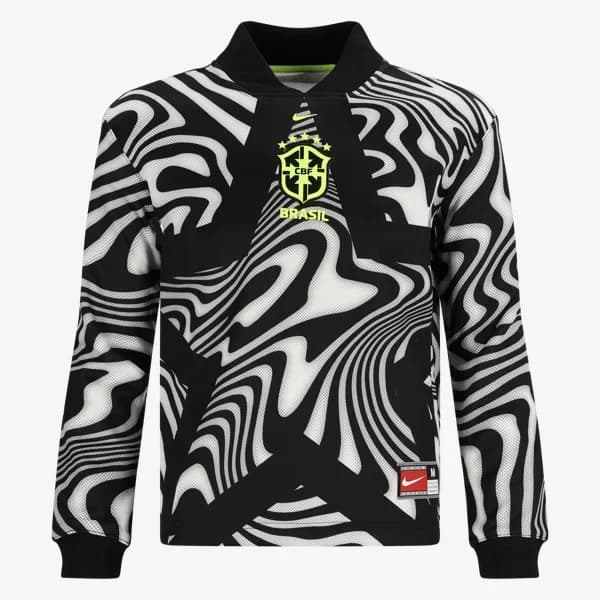
Ask any football fan to picture the perfect kit and there is a fair chance they will see canary yellow, green trim and blue shorts. The Brazil jersey is, for millions of people, the most iconic kit in the history of the sport, and the story behind it is every bit as colourful as the shirt itself.
Why the Brazil jersey became the most iconic kit in football
Iconic status is not handed out for looks alone. The Brazil jersey earned its place through five World Cup triumphs, a roll call of the greatest players who ever lived, and a shade of yellow so recognisable that you can spot it from across a crowded stadium. No other shirt blends sporting success, national identity and pure visual drama in quite the same way. When you browse our Brazil jersey collection, you are not just buying a football top — you are buying a piece of the most decorated story in the game.
The shirt was born from heartbreak
Here is the part that surprises people: Brazil did not always play in yellow. For decades they wore white. That all changed after the 1950 World Cup, hosted on home soil, when Brazil lost the deciding match to Uruguay at the Maracanã in front of nearly 200,000 fans. The defeat, known forever as the Maracanazo, was treated as a national disgrace, and the white shirt was blamed for lacking patriotism.
A newspaper, Correio da Manhã, ran a competition to design a new kit using the colours of the Brazilian flag. The winning entry came from a 19-year-old illustrator named Aldyr Garcia Schlee: yellow shirt, green collar, blue shorts, white socks. Ironically, Schlee was born near the Uruguayan border and supported Uruguay. The kit he designed would go on to become the most famous in football. You can trace this kind of heritage across our classic jerseys range.
1958 and the birth of the legend
The new yellow shirt made its grand debut at the 1958 World Cup in Sweden, and Brazil won the tournament for the first time. A 17-year-old called Pelé announced himself to the world, and the Brazil jersey was instantly tied to flair, joy and attacking football. From that moment the amarelinha — the "little yellow one" — became shorthand for beautiful football. Explore more of the continent's heritage in our South American national teams section.
The greatest team ever wore it
If one side cemented the shirt's legend, it was the 1970 Brazil team in Mexico. Pelé, Jairzinho, Tostão, Gérson and Carlos Alberto played football that is still shown today as the gold standard, and they did it in vivid yellow under bright sunshine, captured on colour television for a global audience for the first time. Carlos Alberto's fourth goal in the final against Italy is regularly voted the greatest team goal of all time. That tournament turned the kit from a national symbol into a worldwide one, the way the very best national team jerseys always do.
A parade of superstars
Few shirts have been worn by so many genuine icons. After Pelé came Zico and Sócrates in the artful 1982 side, then Romário, who dragged Brazil to the 1994 title in the United States. Ronaldo, the original, lit up 1998 and 2002, and the 2002 winners — with Ronaldinho and Rivaldo alongside him — remain the last Brazil team to lift the trophy. More recently Neymar has carried the number ten. Every generation adds a new chapter, and fans love collecting the kits to match, much as they do with the great Argentina jersey lineage on the other side of the famous rivalry.
The colour that started a movement
The yellow of the Brazil shirt has spilled far beyond the pitch. During World Cup summers, supporters around the world pull on a yellow top whether their own country qualified or not, simply because it represents fun, samba and the romantic idea of football. That cultural reach is rare. You will struggle to find a European national team shirt that travels in quite the same way, even among heavyweights like our Germany, Spain and Italy collections.
Design that has aged beautifully
Part of why the Brazil jersey endures is that the core design has barely changed in seventy years. Yellow body, green trim, blue shorts: it is simple, balanced and instantly readable. Nike, the kit supplier since 1996, has tweaked collars and added subtle patterns over the years, but they have wisely resisted the urge to reinvent something that already works. That restraint is exactly what separates a timeless kit from a forgettable one — a lesson visible across the best modern releases in our World Cup 2026 jerseys hub.
What to look for when buying a Brazil shirt
If you want to add the most iconic kit in football to your wardrobe, a few things are worth knowing. Decide between a fan version, which is comfortable and great for everyday wear, and a player version, which uses lighter, tighter performance fabric. Check the badge: the Brazilian crest sits on the chest with the green-and-yellow CBF detailing. And think about the era — a retro 1970 or 1982 shirt carries different romance to a sharp modern release. Our FAQ page walks through sizing and authenticity, and you can read about our sourcing on our About Us page.
How it stacks up against the rest of the world
Plenty of shirts have a claim to greatness. The Netherlands' bright orange, France's deep blue, Argentina's sky-blue stripes — all unforgettable in their own right. But the Brazil shirt combines the most World Cup wins (five), arguably the greatest players, and a colour that has become a global symbol of joyful football. For the official record of those triumphs you can check FIFA's history pages. When the next tournament arrives, expect that yellow to be everywhere again, sitting proudly alongside the rest of our club and country ranges.
Wear a piece of football history
The Brazil jersey is more than fabric and a badge. It is heartbreak turned into triumph, a teenager's sketch turned into a global icon, and seventy years of the most exciting football the world has seen. Whether you want a faithful retro classic or the latest release, browse the full Brazil collection and the wider World Cup 2026 range to find your perfect shirt before kick-off.