The History of Football Shirt Sponsors: From JVC to Crypto.com
Football shirt sponsors have transformed the game since the 1970s. Discover the story from JVC and Liverpool to today's crypto-era kit deals.
July 15, 2026 · 5 min read · sidejersey
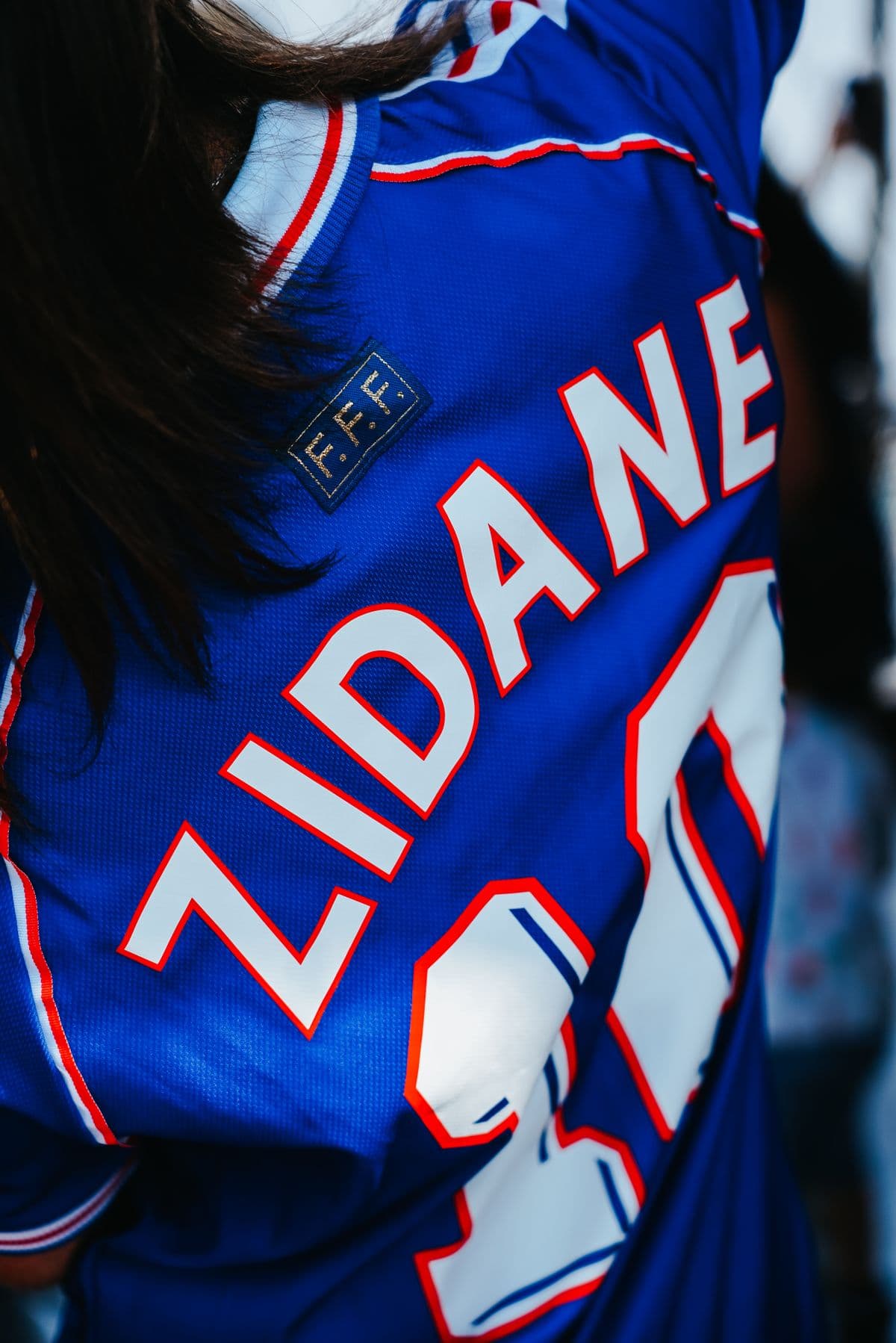
Look at any football shirt from the last fifty years and you'll find a brand name splashed across the chest telling its own story. Football shirt sponsors have shaped the game's finances, its fashion, and even its folklore, turning a simple strip of fabric into a walking billboard worth hundreds of millions of pounds a year. From grainy 1970s adverts to today's crypto exchange logos, the story of shirt sponsorship is really the story of how football grew up.
Why Football Shirt Sponsors Exist in the First Place
Before sponsors, clubs relied almost entirely on gate receipts, merchandise and the occasional benefactor to stay afloat. Shirt sponsorship changed that overnight. A single logo placement gave brands direct access to millions of fans every single match week, and it gave clubs a new, reliable revenue stream that didn't depend on ticket sales alone. Today, shirt sponsorship deals for the biggest club teams in Europe run into the tens of millions annually, and that money funds everything from transfer budgets to grassroots academies.
The Pioneers: How Shirt Sponsorship Began in the 1970s
Continental European clubs got there first. Eintracht Braunschweig in Germany is widely credited as the first side to wear a sponsor's logo on their shirt back in 1973, striking a deal with a spirits brand and cleverly redesigning their club crest to look like the sponsor's logo to get around competition rules. Within a few years, clubs across Germany, France and the Netherlands had followed suit, while English football held out a little longer thanks to a Football League ban on shirt advertising that wasn't lifted until 1977.
JVC and Liverpool: The Deal That Changed English Football
Once the ban lifted, England's top clubs moved quickly. Liverpool's 1979 deal with Hitachi is often cited as the first major English shirt sponsorship, but it was their later partnership with Japanese electronics giant JVC through the 1980s that really cemented the trend in the public imagination. Fans of a certain age still associate that era of Premier League and old First Division football with the black-and-white JVC lettering, and classic jerseys from that period remain some of the most sought-after shirts among collectors today.
The Golden Age of Airline and Beer Sponsors
The 1990s and 2000s brought a wave of sponsorship deals from airlines, beer brands and telecoms firms. Carlsberg's decades-long association with Liverpool, Sharp's with Manchester United, and Vauxhall's spell with the England national team all became part of football's visual furniture. These partnerships tended to be long-term and low-key by today's standards, but they built genuine brand loyalty among supporters who grew up watching their heroes wearing the same logo season after season.
National Teams and the Different Rules of the Game
International football has always played by slightly different rules. National sides typically wear kit manufacturer logos rather than commercial shirt sponsors, since federations like the FA and CBF prioritise unity over individual sponsorship deals. That's part of why national team shirts, from Brazil to Argentina, Germany and France, feel timeless in a way club shirts sometimes don't. As we build towards the knockout stages of World Cup 2026, it's worth appreciating that the crest and the badge, not a sponsor, remain the star of the shirt.
The Rise of Crypto and Tech Sponsors
The last decade has brought a new breed of sponsor entirely. Crypto exchanges, fintech apps and streaming platforms have muscled in alongside the traditional airlines and banks, with deals from the likes of Crypto.com, Socios and various betting platforms appearing across La Liga and beyond. Some of these deals have proven controversial, particularly gambling sponsorships, and several leagues are now tightening rules around what can and can't appear on a matchday shirt. It's a reminder that shirt sponsorship has always mirrored the wider economy, from electronics in the 80s to crypto in the 2020s.
Sleeve Sponsors and the Modern Jersey Real Estate Boom
Front-of-shirt sponsorship wasn't enough for long. Sleeve sponsors arrived in the Premier League in 2017, and clubs now sell space on the back of the collar, the shorts, and even training kit. Every visible inch of a modern jersey has commercial value, which is one reason official shirts have become noticeably pricier over the years, and why fans hunting for value increasingly look towards retro and classic jerseys from before the sponsorship boom fully took hold, or towards growing leagues like MLS where sponsor deals are still evolving.
Iconic Sponsor-Kit Pairings Fans Still Talk About
Some sponsor and shirt combinations became so iconic they're now inseparable from the club's identity: AC Milan and Opel, Bayern Munich and T-Mobile's magenta trim, Barcelona's historic move to finally accept shirt sponsorship with Qatar Foundation and later Rakuten after decades of playing sponsor-free. These pairings show that a good sponsorship deal isn't just about the money, it's about a brand becoming part of a club's story for an entire generation of supporters. You can read more about how sponsorship and kit design intersect with match coverage over on BBC Sport.
What Shirt Sponsors Mean for Jersey Collectors Today
For collectors, the sponsor on the shirt is often exactly what dates it and gives it character. A JVC-era Liverpool top or a Sharp-branded Manchester United shirt is instantly recognisable and often more desirable than a blank or generic reproduction. If you're building a collection, it's worth learning to recognise these sponsor eras, since they're one of the quickest ways to date and authenticate a shirt. Our guide to spotting genuine kits is a good place to start if you want to know your stuff before you buy.
Shop the Shirts That Made Sponsorship History
Whether you're after a modern club shirt, a national team jersey ahead of the World Cup 2026 knockout rounds, or a piece of sponsorship history from football's classic archive, we've got you covered. Browse our full range of club team jerseys and national team kits, and if you've got questions about sizing, authenticity or shipping, check our FAQ page or learn more about us. Whatever era of football shirt sponsors speaks to you most, there's a jersey in our collection with your name on it.