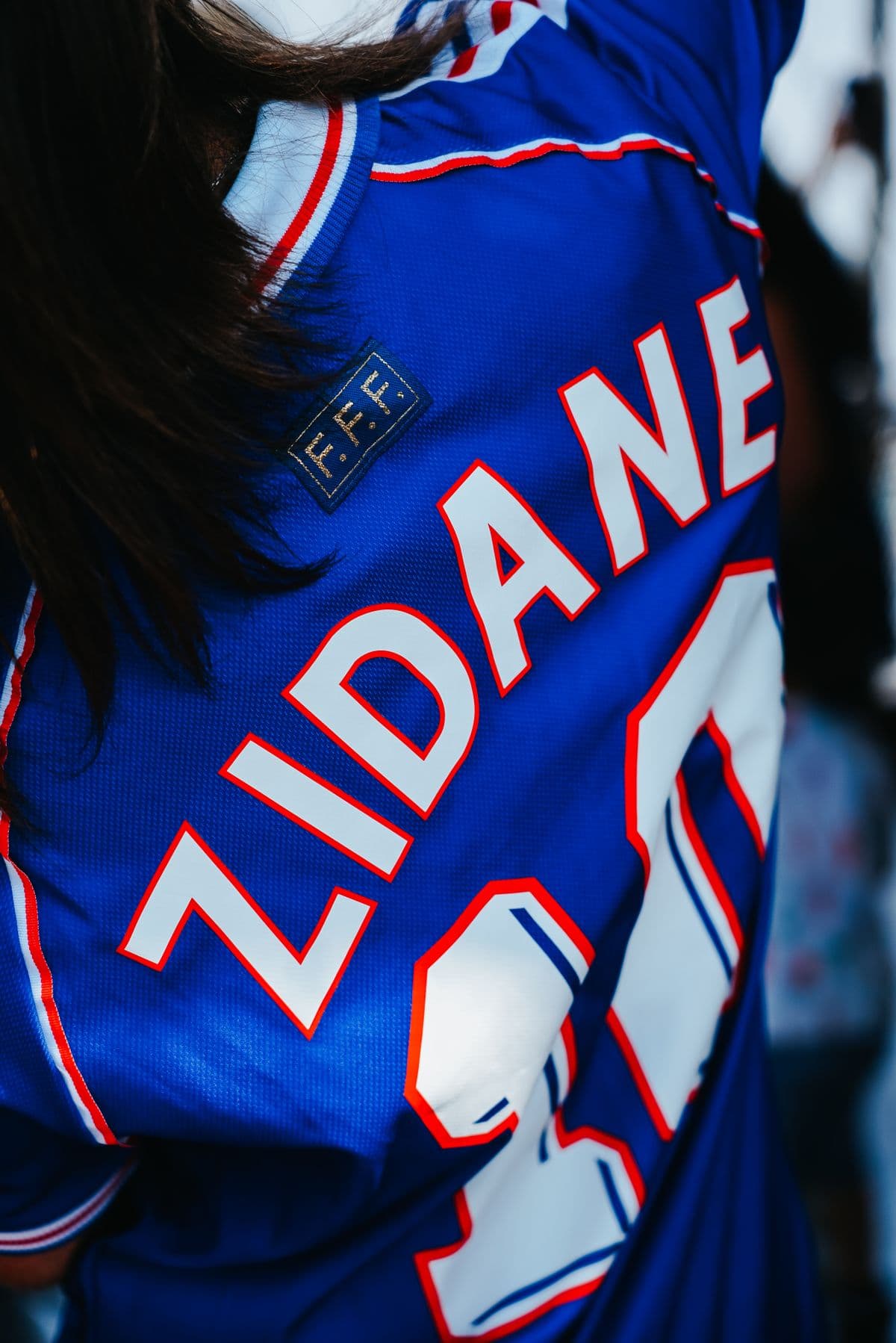
How to Spot Counterfeit Football Jerseys
Learn how to spot counterfeit football jerseys before you buy — from pricing red flags to crest quality, fabric checks and seller vetting tips for World Cup 2026.
July 14, 2026 · 5 min read · sidejersey
With World Cup 2026 shirts flying off shelves and scammers cashing in on the hype, knowing how to spot counterfeit football jerseys has never mattered more. Fake kits are turning up everywhere from marketplace apps to knockoff websites, and telling them apart from the real thing takes a trained eye — here's exactly what to look for before you hand over your money.
Why Counterfeit Football Jerseys Are Flooding the Market
Every major tournament brings a wave of counterfeit football jerseys, and World Cup 2026 is no exception. With 48 teams competing across the World Cup 2026 collection, demand for national team jerseys has never been higher, and counterfeiters know it. Fake factories churn out lookalike kits at a fraction of the cost, then sell them through social media ads, pop-up websites and unofficial marketplace listings that vanish within weeks. The shirts often look convincing in photos, which is exactly why learning to spot counterfeit football jerseys in person — not just online — is such a useful skill.
Start With the Price
This is the single biggest giveaway. Authentic match and replica kits from official licensees rarely dip below a certain price point, because licensing fees, quality fabric and proper manufacturing all cost money. If an Argentina jersey or Brazil jersey is listed at half the normal retail price with "free worldwide shipping", treat it as a red flag rather than a bargain. Genuine retailers occasionally run sales, but they don't sell brand-new World Cup stock at clearance prices during a tournament year.
Check the Crest and Embroidery
Counterfeit football jerseys almost always fall down on badge quality. Official crests are heat-pressed or embroidered with crisp, even stitching and correct proportions. On fakes, you'll often spot blurry printing, wonky stitching, slightly wrong colours, or a badge that's just a touch too big or small compared to the real thing. This is especially noticeable on detailed crests — take the England jersey, where the Three Lions badge has fine detail that cheap counterfeits simply can't replicate cleanly.
Inspect the Fabric and Stitching
Pick the shirt up and feel it. Authentic performance jerseys use technical, lightweight fabric with a specific weave and stretch — it should feel breathable, not stiff or plasticky. Turn it inside out and check the seams: genuine kits have neat, reinforced stitching at the shoulders, sleeves and hem, while counterfeits often have loose threads, uneven hems or seams that pucker. Cheap fabric that feels heavy, shiny or scratchy is one of the most reliable tells once you know what proper match fabric feels like.
Look Closely at Fonts and Printing
Fonts are surprisingly hard for counterfeiters to get exactly right, which makes them one of the easiest ways to spot counterfeit football jerseys.
Name and Number Fonts
Every kit manufacturer uses a specific typeface and number style for that season, and it varies slightly by team and year. Compare the shirt against official product photography — if the numbers look too thin, too bold, oddly spaced or use a generic sans-serif font, that's a strong sign it's fake. This applies whether you're buying a current squad shirt or something from our classic jerseys range.
Sponsor Logos and Patches
Sponsor logos, competition patches and manufacturer logos should be sharp, correctly coloured and positioned exactly where they appear on official kits. Fuzzy edges, wrong shades, or patches that are printed rather than properly applied are classic counterfeit football jersey signs, particularly on club jerseys where sponsor detail is highly specific.
Check Tags, Labels and Holograms
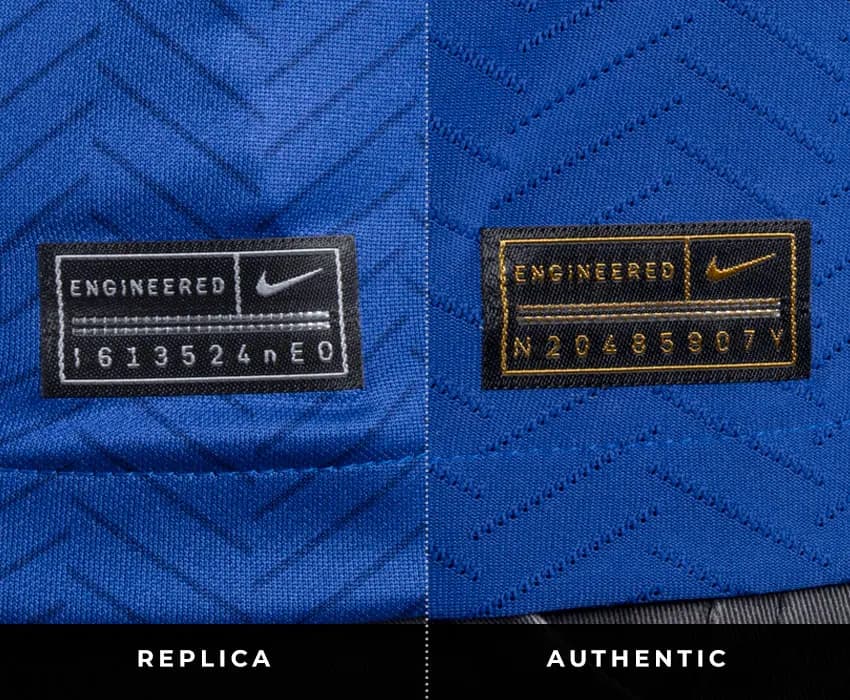
Genuine shirts carry proper manufacturer tags with size information, care instructions and often a hologram or authentication code sewn into the hem or side seam. Many official retailers also include a swing tag that references the tournament or league. Missing tags, tags with spelling mistakes, or a hologram that scratches off too easily are all warning signs. If you're buying from a Premier League or La Liga club shop reseller, ask to see close-up photos of the label before you commit.
Vet the Seller Before You Buy
Sometimes the shirt itself looks fine in photos, but the seller is the real red flag. Check how long the website or social account has existed, look for genuine customer reviews outside the seller's own page, and be wary of sellers who only accept bank transfer or untraceable payment methods. Reputable shops are transparent about returns, sizing and stock — our own FAQ page and About Us page are exactly the kind of information a legitimate retailer should have readily available.
Authentic vs Replica: Not the Same as Fake
It's worth clearing up a common confusion: a replica jersey is not automatically counterfeit. Officially licensed replica kits are made by the real manufacturer to a slightly lower specification than the "authentic" match-worn version — lighter stitching detail, standard rather than moisture-wicking fabric, and a lower price point. Both authentic and replica shirts are 100% legitimate. A counterfeit is an unlicensed copy made by neither the club nor the manufacturer, regardless of which tier it's trying to imitate. Shoppers browsing European national teams or North and Central American kits should know exactly which tier they're paying for — a good retailer will always state this clearly on the product page.
What to Do If You've Already Bought One
If you suspect you've been sold a counterfeit football jersey, start by contacting your payment provider — card issuers and services like PayPal offer buyer protection for goods that are "not as described." Report the seller to the marketplace or platform where you found them, and if you bought through social media, report the ad directly. Organisations including FIFA work closely with official World Cup 2026 licensing partners to crack down on counterfeit merchandise, so flagging suspicious sellers genuinely helps.
Buy With Confidence This World Cup
The safest way to avoid counterfeit football jerseys altogether is to buy from a retailer that's upfront about authenticity, sizing and sourcing. Browse our full Mexico, Germany and Portugal ranges, or head straight to the World Cup 2026 hub to shop kits you can trust are the real deal — no guesswork required.