The Best La Liga Kits of All Time
From the Kappa Dream Team shirt to Athletic Club's 1910 stripes, these are the La Liga kits collectors still chase decades later.
October 24, 2026 · 6 min read
The best La Liga kits rarely shout — they let a century of Spanish football tradition do the talking instead. From Kappa's Dream Team shirt at Barcelona to the red and white stripes Athletic Club have worn since 1910, these are the La Liga kits that collectors still hunt down decades after the final whistle.
What Makes a Great Spanish League Shirt
Spain's top flight has its own design language, and it is a conservative one. Most of the big clubs are locked into a template that barely moves from decade to decade: plain white at Real Madrid, blaugrana at Barcelona, vertical red and white stripes at Athletic Club and Atlético Madrid, green and white at Real Betis. Kit designers get far less room to experiment than they do in the Premier League, where a club can swap sash for hoops without anyone blinking.
That restraint is exactly why the great Spanish shirts land so hard. When a detail does change — a different shade of claret, a one-season crest, an unusual collar — it becomes the thing everybody remembers. If you want the contrast, our rundowns of the best Premier League kits of all time and the best Serie A kits of all time show how differently England and Italy treat the same brief.
Barcelona 1992–95: Kappa's Dream Team Shirt
Kappa took over Barcelona's kit for 1992–93, arriving just after Ronald Koeman's free kick at Wembley had delivered the club's first European Cup. What followed was the shirt most closely associated with Johan Cruyff's Dream Team — Romário, Hristo Stoichkov, Pep Guardiola and Koeman himself, winning two more league titles in a row and reaching the 1994 Champions League final in Athens, where Milan took them apart 4–0.
The design is deceptively plain: deep blaugrana stripes, Kappa's Omini logo stitched at the shoulders, and crucially no commercial sponsor at all. Barcelona famously carried a bare chest until UNICEF appeared in 2006, which is a big part of why this one still looks so clean on a hanger. Reissues circulate constantly, so it is worth reading our guide to retro versus reissue football shirts before you commit to a price.
Real Madrid 2001–02: The Centenary Shirt
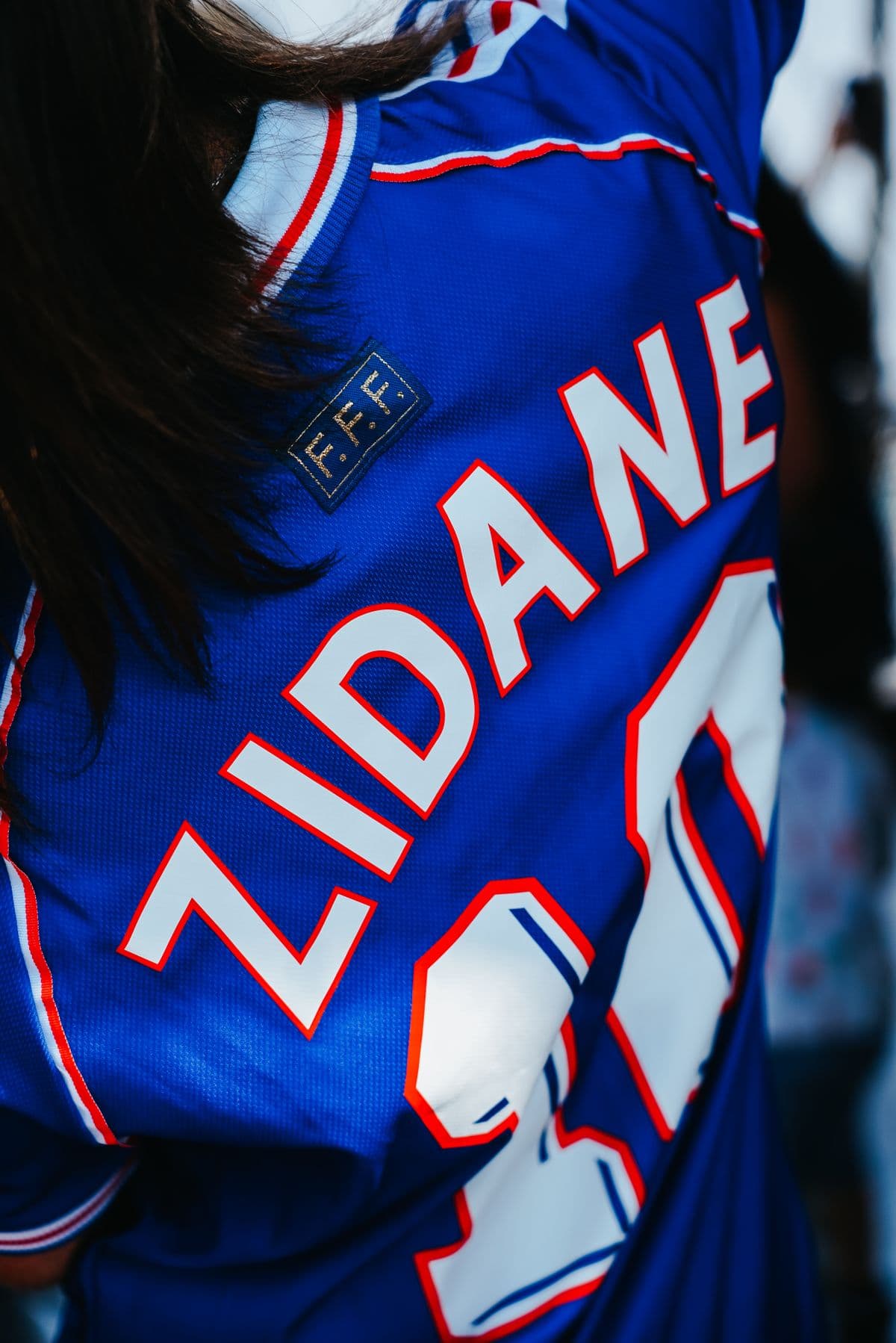
Adidas marked Real Madrid's hundredth year with a special centenary crest, and the squad wearing it happened to be the Galáctico project at full tilt: Zinédine Zidane, Luís Figo, Raúl and Roberto Carlos. The season ended with Zidane's volley against Bayer Leverkusen at Hampden Park in the 2002 Champions League final, which is more or less the perfect send-off for a one-season shirt.
Plain white with a centenary mark on the chest is as minimal as football gets, and that is the appeal. For more from the Spanish capital, see our pick of the top Real Madrid jerseys of the last decade.
Athletic Club: Red and White Since 1910
Athletic's stripes exist because of a shopping trip that went wrong. In 1909, player and board member Juan Elorduy travelled to England to buy blue and white shirts in the style of Blackburn Rovers — Athletic had worn blue and white since 1902 — and could not find any. He bought fifty Southampton shirts instead, and the colours happened to match Bilbao's own flag.
The board approved, and Athletic first played in red and white stripes on 9 January 1910, beating Sporting de Irún 2–0 at the opening of Irún's Amute ground. Well over a century later the template has barely moved, which makes Athletic shirts some of the easiest in Spain to collect across eras — pick up three from different decades and they still look like a set.
Deportivo La Coruña 1999–2000: Superdepor in Kappa Blue
Deportivo's only Spanish league title came in 1999–2000 under Javier Irureta, with Fran, Djalminha, Mauro Silva and Roy Makaay in a side that genuinely out-thought both Madrid and Barcelona. The Kappa shirt — broad blue and white vertical stripes, a slightly boxy nineties cut — has aged beautifully, and Kappa released a gold anniversary version in 2025 to mark twenty-five years since the title.
This is the kind of shirt that rewards patience on the secondary market. If you like one-off title winners from smaller clubs, our piece on which football shirts gain value explains why they tend to outperform the obvious picks.
Valencia 2003–04: Nike's Quiet Double Winner
Rafael Benítez's Valencia won the league and the UEFA Cup in the same season, beating Marseille 2–0 in the final at the Ullevi in Gothenburg. The Nike shirt that Vicente, Pablo Aimar, Rubén Baraja and Roberto Ayala wore to do it is almost aggressively understated — white, black trim, nothing clever going on — and that is why it has quietly become one of the most sought-after Spanish shirts of the 2000s.
Rayo Vallecano and the Franjirrojo Sash
The diagonal red sash across a white shirt is the most distinctive look in Spanish football, and it came from a practical arrangement. In the 1940s Rayo signed a mutual aid agreement with Atlético Madrid, who lent players on the condition that Rayo add red to a kit that otherwise looked too much like Real Madrid's. The club's leaders admired River Plate, whose shirt had carried a diagonal stripe from the beginning, and the franja was born — hence the nickname franjirrojos.
Stripes Done Differently: Atlético, Betis and the Rest
Spain does vertical stripes better than anywhere else, and the variety is the point. Atlético Madrid's rojiblanco stripes usually sit against navy shorts; Real Betis go green and white with an unusually rich shade of green; Sporting Gijón and Real Valladolid keep their own versions alive in the lower divisions. Collecting across these clubs is a cheap way into Spanish football history, because the shirts have never carried Madrid or Barcelona price tags. Our club jerseys range is the place to start browsing.
Modern La Liga Kits Worth Collecting
The current generation of La Liga kits has got noticeably braver. Barcelona's away shirts regularly borrow the red and yellow of the Catalan senyera, Real Madrid's Adidas third and away kits have gone through pink and purple phases that split opinion every time, and the arrival of players like Lamine Yamal has pushed demand for printed home shirts to levels not seen since the Messi years.
If you want the broader context, our decade guides to the best football kits of the 1990s, the 2000s and the 2010s put the Spanish entries alongside everything else. National team collectors should also look at our guide to the best Spain jerseys of all time and the wider Europe national team jerseys section. You can check current standings and fixtures on the official La Liga site.
How to Buy La Liga Kits Without Getting Burned
Three things cause most of the complaints we hear. First, the authentic-versus-replica question: authentic shirts use the lighter match-day fabric and a slimmer cut, replicas are roomier and far more comfortable for everyday wear, and our guide to authentic versus replica football jerseys walks through the differences in detail.
Second, fakes. Spanish club shirts are among the most counterfeited in football, so learn the tells before you buy from a marketplace — how to spot counterfeit football jerseys covers crest stitching, tagging and holograms. Third, sizing: European cuts run noticeably smaller than UK high street sizing, and older nineties shirts run larger again. Measure your chest and check our football jersey size guide rather than guessing.
For vintage buys specifically, our list of the best retro football jerseys to collect and the piece on why vintage football jerseys are trending in 2026 will tell you what is realistically still findable.
Start Your Spanish Collection
Whether you are after a modern printed home shirt or a nineties striped original, the La Liga kits above are a sensible shortlist to build around. Browse our classic jerseys and retro jerseys collections for the older shirts, or the full national teams range if you want to pair a club shirt with an international one. More reading lives on the SideJersey blog, and anything about shipping, sizing or returns is answered on our FAQ page.