The Best Football Kits of the 2000s
From Brazil 2002 to Arsenal's redcurrant Highbury farewell, these are the best football kits of the 2000s and why collectors still chase them.
August 22, 2026 · 5 min read · sidejersey
Ask any collector to name the golden age of shirt design and most will point straight at the noughties, because the best football kits of the 2000s combined proper tailoring, mad colour experiments and the last generation of shirts made before everything went skin-tight. It was the decade of Brazil in Yokohama, Arsenal in redcurrant and Cameroon getting kits banned by FIFA twice.
What Made the 2000s Such a Golden Era for Kit Design
Two things collided. Fabric technology jumped forward fast — Adidas launched ClimaCool in 2002 and Nike pushed Dri-FIT into every national team shirt, so kits finally stopped soaking up half a stone of sweat. At the same time, kit budgets exploded thanks to sponsorship money, which gave designers licence to try ideas that would never survive a modern focus group.
The cut changed dramatically across the decade too. A 2001 shirt hangs off you like a tent; a 2009 shirt clings. If you buy a noughties reissue today, expect the sizing to run a full size larger than a modern national team jersey, which is worth knowing before you order.
Brazil 2002: The Gold Standard of the Best Football Kits of the 2000s
No shortlist of the best football kits of the 2000s starts anywhere else. Nike's 2002 Brazil home shirt was a deliberately simple canary yellow with green trim on the collar and cuffs, and it happened to be worn by the most watchable attacking side of the era — Ronaldo, Rivaldo and Ronaldinho. Ronaldo's two goals in the 2002 World Cup final in Yokohama sealed a fifth star above the crest and made this shirt permanently valuable.
It is still the single most requested design we get asked about. If you want the modern equivalent, the current Brazil jersey keeps the same colour logic but with a far slimmer fit.
Netherlands 2008: The Lion Sash Returns
Nike gave the Dutch a diagonal chevron across the chest for Euro 2008, echoing the geometric orange shirts of 1988. Then Van Nistelrooy, Sneijder and Van Persie put four past France in Bern wearing it. Great design plus a signature performance is how a kit becomes iconic, and this is a textbook case.
Dutch shirts remain some of the most collectable in the European national team market precisely because the orange is unmistakable on a rail.
Arsenal 2005-06: The Redcurrant Farewell to Highbury
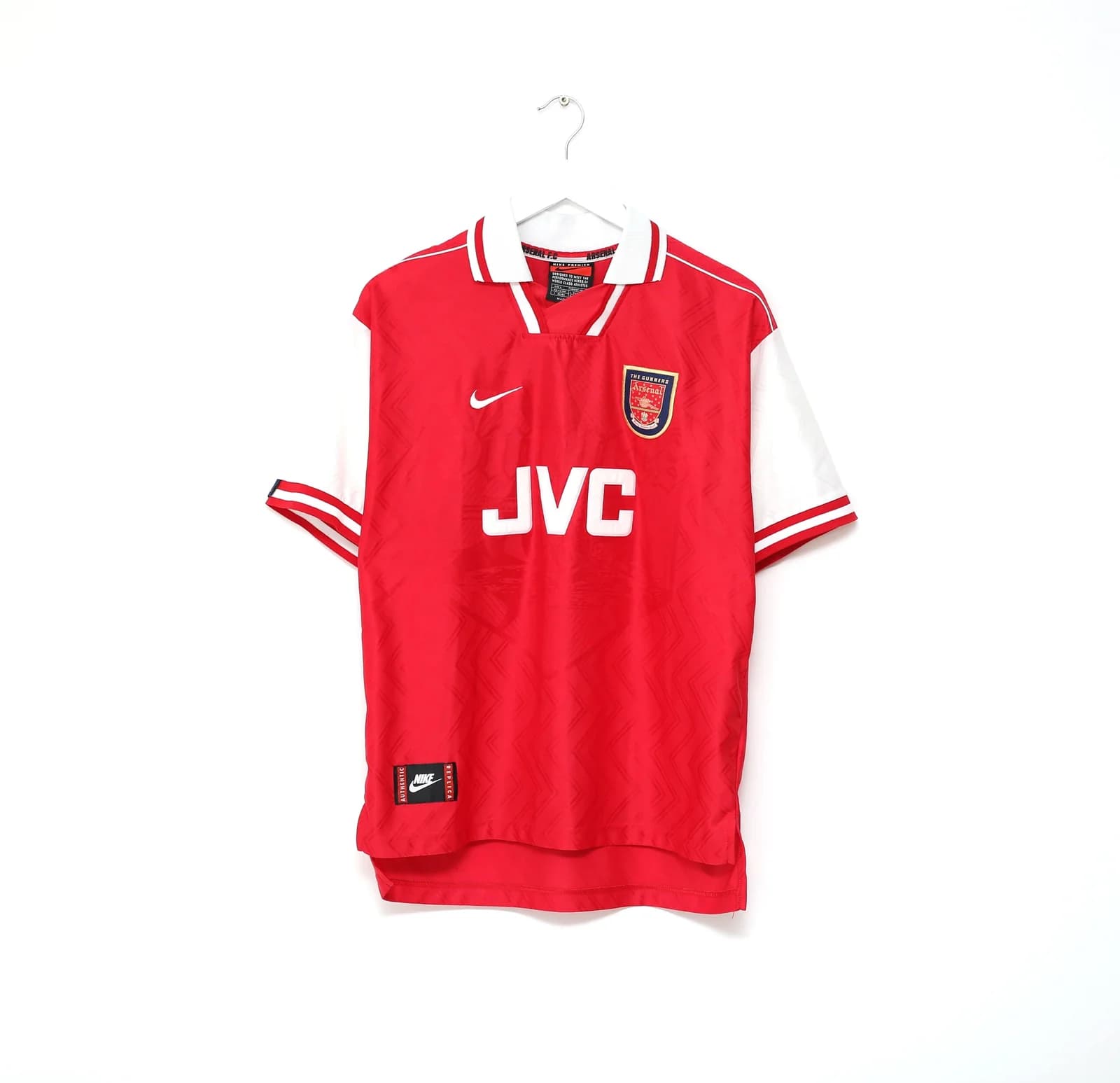
For their final season at Highbury, Arsenal wore deep redcurrant instead of the usual bright red — a nod to the colour the club wore in 1913, their first year in north London. Thierry Henry kissed the turf in it. It is arguably the best commemorative club shirt ever made, and it still commands a premium in the Premier League collecting scene.
Italy 2006: Blue in Berlin
Puma's 2006 Italy home shirt was almost aggressively plain — a rich azzurro blue, a simple V-neck, nothing else competing for attention. That restraint is exactly why it works. Cannavaro lifting the trophy in Berlin is the image most fans picture when they think of the Italy jersey, and Puma has been quietly referencing that shade ever since.
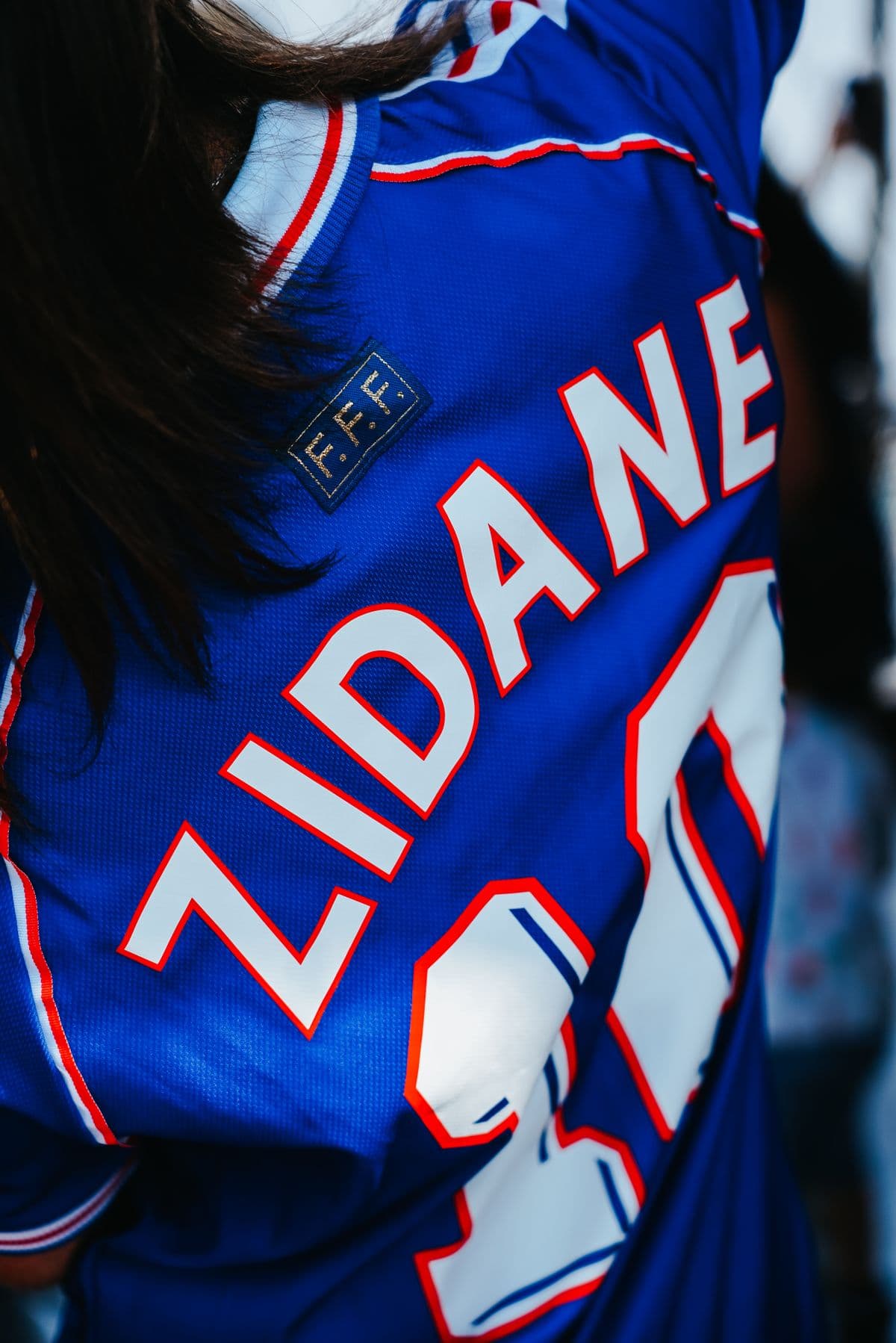
The same tournament produced two more genuinely great designs: Portugal's deep red with green side panels, still the benchmark for the Portugal jersey, and France's navy Adidas shirt with the lighter blue flank panels worn during Zidane's last act. The current France jersey owes that 2006 shirt a lot.
Mexico 2006 Away: Nike's Aztec Black
Mexico's black 2006 change shirt carried an Aztec-inspired graphic and a slab of gold detailing, and it looked like nothing else at that tournament. It sold enormously, it still gets reissued, and it is the reason a lot of neutrals own a Mexico jersey without any family connection to El Tri. As a co-host for the next tournament, Mexico is having another moment — see the North and Central America range for what CONCACAF sides are wearing now.
The USA's white shirt with the single red diagonal sash from the same era deserves an honourable mention. It divided opinion at the time and is now beloved, which is how these things usually go.
Cameroon 2002 and 2004: The Kits FIFA Banned
Puma's 2002 Cameroon shirt was sleeveless — a proper basketball vest — and Cameroon won the Africa Cup of Nations in it. FIFA ordered them to add black undersleeves for the World Cup. Puma went further in 2004 with a one-piece shirt-and-shorts unitard, and FIFA docked Cameroon six qualifying points before backing down. Two banned kits in three years is a record nobody has come close to since, and both are prized items in the classic jerseys market.
Centenary Shirts: Real Madrid, Chelsea and Inter
The 2000s were unusually rich in anniversary kits. Real Madrid marked 100 years in 2002 with a special crest and went on to win the Champions League with Zidane's volley at Hampden Park — that La Liga season is the peak Galácticos artefact. Chelsea's 2005-06 Umbro centenary kit used a one-off gold crest. Inter's centenary shirt swapped the usual black and blue stripes for a white shirt carrying the red cross of Milan, which is still one of the boldest calls a big club has ever made on a home shirt.
Barcelona also changed the commercial rules of the decade by putting the UNICEF logo on the front in 2006 and paying for the privilege — the opposite of a sponsorship deal, and a decision that still shapes how club shirts are marketed.
How 2000s Kits Actually Felt to Wear
Worth being honest here. Early-decade shirts used heavier woven polyester with limited stretch, so they breathe less well than anything made in the last five years. Late-decade shirts introduced laser-cut ventilation and Formotion-style panelling and are much closer to modern comfort. If you are buying a noughties reissue to actually play in rather than display, aim for 2006 onwards.
Storage matters too. Old sponsor print and heat-pressed numbers crack if you fold shirts along the graphic or iron them directly, so hang them or roll them. Our FAQ page covers the practical care questions we get asked most.
Collecting 2000s Shirts Today
Prices on original noughties shirts have climbed sharply, particularly tournament home shirts from winning sides. If you are building a collection rather than chasing one grail, mixing originals with well-made modern reissues is the sensible route — you get the designs you love without paying auction prices for every single one.
Look at the South American and Argentina ranges if you want shirts with genuine design heritage, and at Germany, Spain and England for the European classics that keep getting revisited.
Shop the Designs That Started It All
The best football kits of the 2000s still set the template for what a great shirt looks like: strong colour, a clear idea, and a team worth remembering wearing it. Browse the full World Cup 2026 jersey collection to see how much of that decade's DNA survives in today's designs, or read more about SideJersey and how we source our kits.