Why Do Football Clubs Change Kits Every Season?
Ever wondered why football clubs change kits every season? We explain the contracts, rules and retail cycle behind it, plus the best time to buy.
August 19, 2026 · 6 min read · sidejersey

Ask any supporter what irritates them most about the modern game and the fact that football clubs change kits every season is never far from the top of the list. The honest answer has very little to do with football and everything to do with long-term contracts, retail calendars and a handful of rules most fans have never read.
The short answer: the manufacturer contract sets the calendar
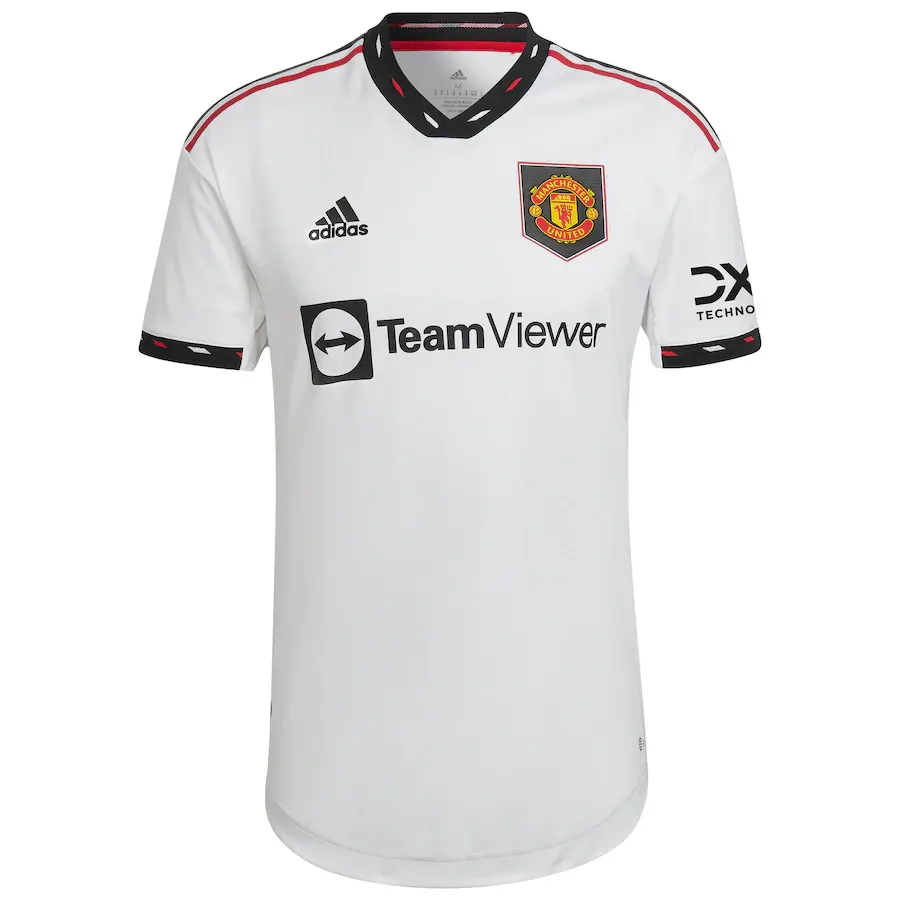
Kit deals are long. Five years is short, ten is normal, and a few run longer still. Adidas' agreement with Manchester United, announced in 2023, was widely reported at roughly £900m over ten years, and the Nike and Adidas deals with Barcelona and Real Madrid sit in similar territory. Those numbers only add up if there is fresh product on shelves every single year, so an annual release cycle is written into the deal long before a designer sketches a collar.
This is why the pattern is so consistent across the biggest leagues. Whether you are browsing Premier League jerseys or La Liga shirts, you will find a new home kit launched almost every summer, usually between May and July.
Replica shirt sales are serious revenue
A replica shirt is one of the highest-margin things a football club sells. The manufacturer pays a guaranteed annual fee, the club takes a royalty on top, and the club's own stores keep the retail margin as well. For the biggest clubs, replica sales run into the millions of units a year.
Timing matters just as much as volume. A new home shirt landing in June captures the exact moment when excitement is highest: a trophy just won, a big signing just announced, season tickets just renewed. Stretch that shirt over two seasons and you miss one of those windows entirely. That commercial logic explains most of what happens across the club shirts market.
It genuinely wasn't always like this
Through the 1970s and much of the 1980s, clubs wore the same home shirt for two, three, sometimes four seasons. Away kits were often plain white or plain yellow with no pattern at all, because printing anything more complicated was expensive.
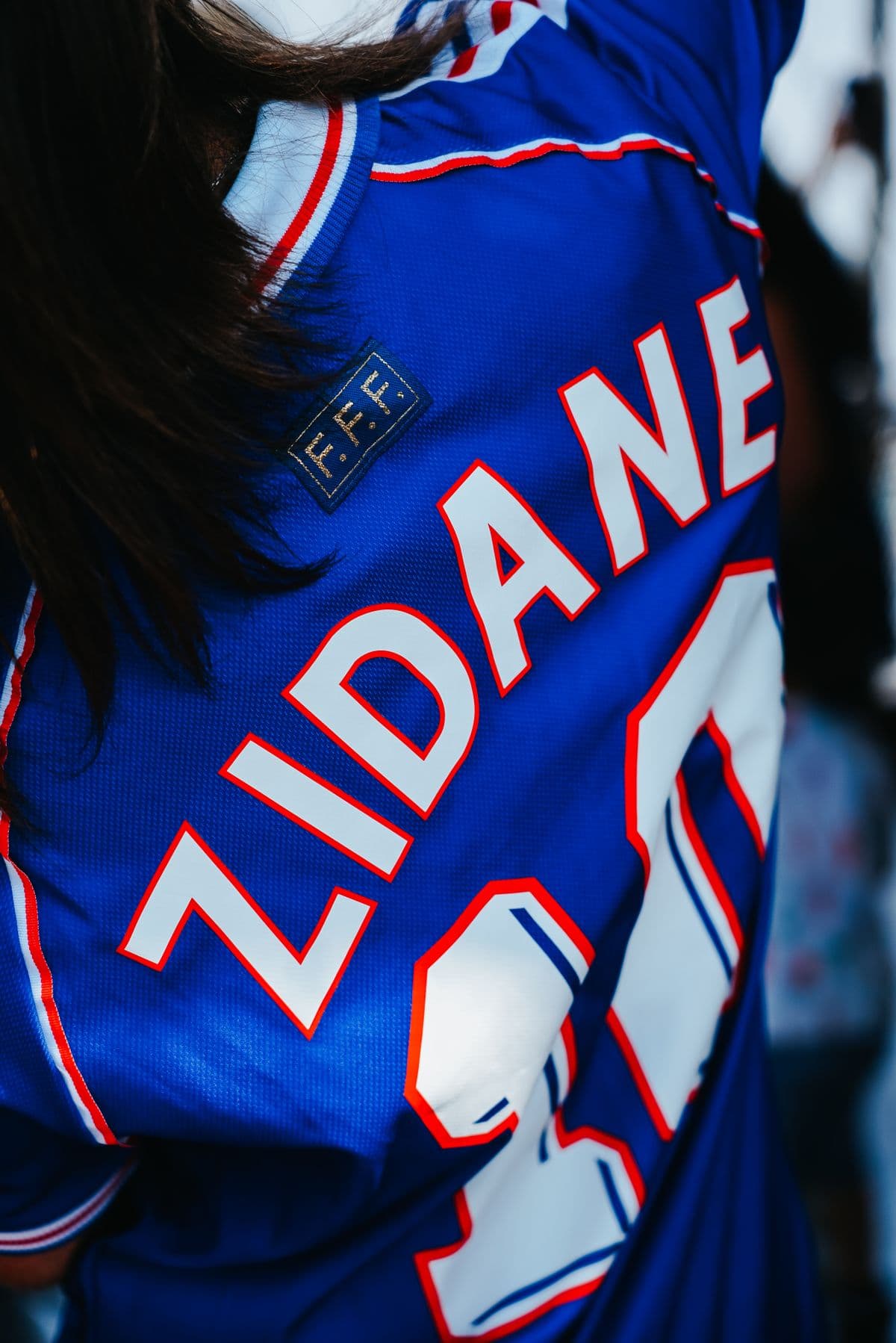
Three things changed in the 1990s. Sublimation printing made bold, all-over graphics cheap to produce. Satellite television put every match in front of a global audience, turning the shirt into a broadcast billboard. And the third kit arrived as a commercial product rather than a genuine necessity. Browse our classic football jerseys and you can usually date a shirt to within a couple of years from the pattern alone.
Home, away and third kits don't follow the same rules
Most clubs run their home shirt on a conservative creative arc. It has to look like the club, so the changes are usually small: a different collar, a new trim, a subtle texture in the fabric. Away and third kits are where designers are allowed to take risks, which is why they change far more dramatically and why they date much faster.
It also explains why away shirts tend to be the ones fans fall in love with. A daring away kit is a one-season-only object, and that scarcity is part of the appeal. You will see the same pattern across European club kits year after year.
Some kit changes are forced, not chosen
Not every redesign is commercial. Competition regulations require the two teams on the pitch, plus both goalkeepers, to be clearly distinguishable from one another, and match officials can order a kit change on the day. That rule is the entire reason third kits exist in the first place.
Sponsors force changes too. A shirt sponsor collapsing mid-season, or a new deal starting in January, means a redesigned front of shirt whether the club wants one or not. Competition rules add another layer: sleeve badges, squad number fonts and name lettering differ between domestic leagues and continental competitions, which is why the same shirt can look noticeably different depending on the match. The Premier League publishes its kit and equipment regulations ahead of each campaign.
Do national teams change kits every season too?
No, and this is the single most useful thing to know if you want a shirt that stays current. National teams work on a tournament cycle rather than an annual one. A federation typically launches a new home shirt in the months before a major tournament and keeps it in rotation for around two years, with the away shirt refreshed on a similar rhythm.
That gives national team jerseys a much longer shelf life than club shirts. A tournament kit is still current a year and a half after release, and it never carries a sponsor logo that might disappear. If you are shopping the World Cup 2026 jerseys range, that is a real advantage.
The heavyweights are the obvious starting point: the England shirt, the Brazil jersey, the Argentina jersey, the Germany kit and the Spain jersey all sell in huge numbers. But there is real value further down the list, whether that is a Mexico jersey, something from the South American nations, or a kit from one of the CONCACAF sides hosting next summer.
What the cycle means when you're actually buying
Once you understand that football clubs change kits every season on a fixed schedule, you can use it to your advantage.
Buy late in the cycle for the best price
Prices on a club shirt soften from around February onwards, and drop hardest in the weeks just before the next season's launch. If you don't mind wearing last year's design, spring is comfortably the cheapest time to buy.
Buy home kits if you want longevity
Home shirts change least between seasons, so a home kit looks current for longer and looks less obviously dated years later. Away and third shirts are the ones to buy if you want something distinctive rather than something timeless.
Be careful with names and numbers
Personalisation is where the annual cycle bites hardest. Players move, and a shirt with the wrong name on the back ages instantly. If you are buying a club shirt with a player's name, check their contract situation first. A national team shirt, or your own name and a favourite number, avoids the problem entirely.
Is the annual cycle actually bad for fans?
It cuts both ways, and it's worth being fair about it. More releases mean more choice, better fabrics, wider size ranges and far more interesting design than the plain polyester of thirty years ago. The cost is obvious though: keeping up with a club across home, away and third shirts is expensive, and plenty of supporters have simply stopped trying.
The sensible middle ground is what most collectors have landed on. Buy one shirt every two or three seasons, choose it carefully, and fill the gaps with retro. A well-chosen shirt from the Italy range or a Portugal shirt from a memorable tournament will outlast three seasons of chasing the newest release.
Find your next shirt at SideJersey
Now that you know why football clubs change kits every season, you can shop the cycle rather than be caught out by it. Start with the World Cup 2026 collection if you want something that stays current, or dig through our club team jerseys for a bargain from the outgoing season. We also stock France, Belgium and MLS jerseys alongside the rest of the range.
Not sure about sizing, shipping or customisation? Our FAQ page covers the questions we get asked most, and you can read more about SideJersey and how we source our shirts.